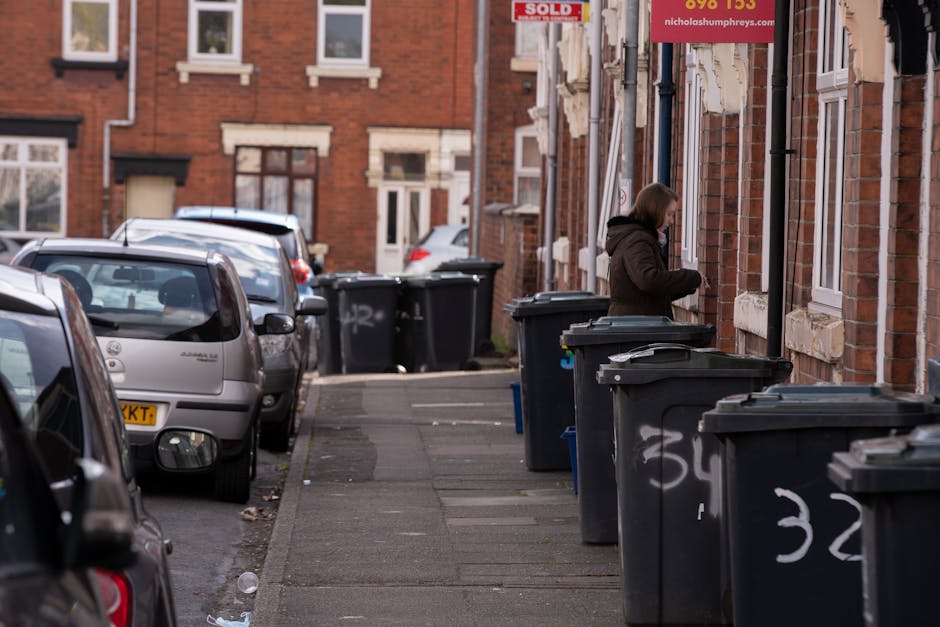
Rubbish removal Woolwich SE18 guide for Powis Street homes

If you live on or near Powis Street, rubbish has a way of building up fast. A flat clear-out after a move, a garden refresh, a broken wardrobe in the hallway, or a pile of builder's debris after a weekend project can suddenly make a home feel cramped and messy. This Rubbish removal Woolwich SE18 guide for Powis Street homes is here to make the process feel simple, local, and manageable. You'll see what counts as rubbish removal, how the service usually works in practice, what to watch out for in Woolwich's busier streets, and how to choose the right disposal route without overpaying or creating extra hassle.
Truth be told, most people don't need more theory. They need a clear plan. So let's keep this practical.
Why Rubbish removal Woolwich SE18 guide for Powis Street homes Matters
Powis Street homes sit in a very real-world kind of environment: a mix of terraced properties, flats, older conversions, busier roads, and properties where access can be awkward at the best of times. That matters because rubbish removal is not just about "getting rid of stuff". It's about doing it in a way that fits the property, the street, and your time.
A lot of households start with a simple goal: clear space quickly. But the wrong disposal choice can create delays, parking issues, blocked access, or extra sorting. In a street like Powis Street, where kerb space may already be tight and neighbours notice everything, planning matters more than people expect.
Another reason this topic matters is waste type. A mixed pile from loft clearing, DIY work, or end-of-tenancy cleaning may contain furniture, small appliances, garden waste, cardboard, and maybe a few things that need special handling. If you sort it properly from the start, disposal is smoother and often more cost-effective.
For many homeowners, the decision comes down to three things: how much waste there is, how quickly it needs to go, and whether the property can comfortably host a skip or needs a collection-based solution. Those are the real questions, not the marketing fluff.
If you want to understand the wider options available before booking, it can help to look at rubbish removal alongside related services such as domestic skip hire and man and van collection. Different homes, different access, different outcome. Simple as that.
How Rubbish removal Woolwich SE18 guide for Powis Street homes Works
In plain English, rubbish removal usually means a team collects unwanted items or mixed waste from your property, loads it safely, and takes it away for sorting, recycling, or disposal. It is often the better choice when you don't want a skip parked outside, when the waste is ready to go immediately, or when the job involves lifting from inside the house.
For Powis Street homes, the process often looks like this:
- You describe the waste, roughly how much there is, and where it is stored.
- The provider works out whether a collection, skip, grab hire, or wait-and-load approach fits best.
- You choose a date and, if needed, discuss access details such as rear entry, stairs, or parking constraints.
- The team arrives, loads the rubbish, and takes it away.
- The waste is then sorted with recycling and disposal handled separately where possible.
That last part matters. A good waste provider does not simply tip everything into one place and hope for the best. Items are typically separated where practical, especially metal, wood, cardboard, green waste, and reusable materials. If you care about sustainability, this is worth asking about before booking.
It's also worth knowing that not every load should be treated the same. A bag of decluttered household items is very different from rubble, soil, plasterboard, or a pile of mixed renovation waste. For building-related jobs, you may be better comparing builders skip hire, builders waste removal, or construction waste disposal rather than assuming a standard collection will be enough.
A quick human note: if you have ever tried to carry a dismantled wardrobe down a narrow staircase at 7.30 in the evening, you'll know why people increasingly prefer a service that simply does the lifting for them. Your back will thank you.
Key Benefits and Practical Advantages
The most obvious benefit is convenience, but that only tells half the story. Good rubbish removal removes stress as much as rubbish. That is especially true for homes where time is tight, access is awkward, or the waste pile is growing faster than your patience.
Here are the practical advantages people usually notice first:
- Less disruption: No need to keep a skip outside for days if that doesn't suit the street or the property.
- Faster clearance: A lot of domestic clearances can be completed in one visit, depending on volume and access.
- Reduced physical strain: The lifting, carrying, and loading are handled for you.
- Better for mixed waste: Household items, old furniture, bags of clutter, and light renovation waste can often be dealt with together.
- More adaptable: Collection can suit flats, maisonettes, and homes with limited frontage better than skip hire.
There's also a hidden benefit: it helps you make decisions. Once the waste is all in one place, it's easier to see what should be kept, donated, recycled, or disposed of. That clarity is underrated.
For certain jobs, rubbish removal can be the least stressful option compared with more container-based services. If you're unsure whether a skip is suitable, the guidance on what can go in a skip is useful for checking what materials are accepted before you commit. And if the job is time-sensitive, same day skip hire can be worth comparing when speed matters more than long planning.
Expert summary: For Powis Street homes, the best rubbish removal option is usually the one that matches access, waste type, and urgency, not simply the cheapest looking quote.
Who This Is For and When It Makes Sense
This guide is relevant if you live in a flat, terraced house, maisonette, or conversion around Powis Street and you need waste gone without turning the street into a building site. It's also useful if you're sorting out a home before letting, sale, renovation, or a family move.
Rubbish removal tends to make most sense for:
- homeowners clearing lofts, garages, basements, or sheds
- landlords dealing with end-of-tenancy leftover items
- families after a bereavement or long-overdue house clear-out
- people replacing furniture, appliances, or flooring
- DIYers with a moderate amount of mixed waste
- busy residents who simply do not want to spend a Saturday loading a skip themselves
It can also be the right call if you're in a property where kerbside space is limited or where neighbours, parking, and access are all a bit too close for comfort. Not every home can comfortably host a skip, and that's fine. A collection-based service is often the tidier answer.
If your project is bigger, there are still other routes. A garden overhaul may suit garden waste removal, a full property clearance may point you toward house clearance, and a backlog of loft debris may be better handled by garage and loft clearance. Picking the right service usually saves more time than hunting for the absolute cheapest option.
Step-by-Step Guidance
If you're planning rubbish removal for a Powis Street home, the best results usually come from a simple, steady process. No drama. Just a bit of prep.
- Walk through the waste first. Look at what you actually have: furniture, bags, garden cuttings, rubble, broken appliances, packaging, or mixed clutter.
- Separate special items. Keep hazardous or restricted waste aside so you don't accidentally mix it in with general rubbish.
- Estimate volume honestly. A "small pile" has a habit of becoming a van-full once you start moving things. Be realistic.
- Check access. Measure gates, stairwells, hallways, and any tight corners. If the waste must be carried through the property, note that early.
- Decide on the service type. Rubbish removal, wait-and-load, skip hire, or grab hire all solve different problems.
- Get a clear quote. Ask what is included, what might cost extra, and whether heavy items, loading time, or restricted access change the price.
- Prepare the space. Move cars if needed, clear the access route, and keep pets or children away from the loading area.
- Be present if possible. It helps to confirm what should go and what should stay. Saves awkward misunderstandings.
If you need something fast and tidy, wait and load skip hire can suit streets where leaving a skip in place is inconvenient. For heavier, soil-based, or bulky outdoor waste, grab lorry hire may be a better fit. The trick is matching the method to the job, not the other way around.
And one more thing: take a photo of the waste before booking. It is a small habit, but it helps with quotes and avoids that classic moment where everyone has a different idea of "a lot".
Expert Tips for Better Results
The quickest way to improve your rubbish removal experience is to prepare a little better than you think you need to. In our experience, that pays off almost every time.
- Group items by type. Keep wood, metal, cardboard, textiles, and general household waste separate if you can.
- Flatten bulky packaging. Boxes and packaging take up far more space when left in their original shape. Obvious, but easy to miss.
- Ask about recyclability. A good provider should be able to explain what will be recycled or separated.
- Keep one clear access path. The fewer trips around furniture, the smoother the collection.
- Check for special items early. Fridges, sofas, mattresses, confidential paper, and certain DIY waste can need specific handling.
- Book with timing in mind. Morning collections can be easier in residential streets if parking and access become busier later in the day.
When the job includes bulky furniture or awkward appliances, it may be cleaner to use a specialist option such as mattress and sofa disposal or fridge and appliance removal. These services are especially helpful when you do not want to wrestle with heavy items down a stairwell on your own. Honestly, who does?
If privacy matters, say so. Some households also use confidential shredding for paper records, which is a sensible choice for home offices or old document piles. Small detail, but useful.
Common Mistakes to Avoid
A lot of rubbish removal problems are avoidable. The mistakes are usually simple, and that is why they catch people out.
- Guessing the waste volume. Underestimating size can lead to a second visit or a revised quote.
- Mixing prohibited items in. Hazardous materials and certain appliances may need separate treatment.
- Ignoring access issues. Tight stairwells, low walls, narrow entry points, and parking restrictions can change the whole plan.
- Assuming all waste is the same. Soil, rubble, bulky furniture, and general household junk are not handled identically.
- Choosing on price alone. The cheapest quote is not much use if the provider can't actually clear the waste properly.
- Forgetting permits when using a skip. If a skip has to go on the public highway, you may need permissions. More on that below.
Another common issue is people leaving the waste in separate rooms and hoping the team will somehow know what they mean. It sounds funny, but it happens. A short walkthrough or a labelled pile can save time and confusion.
If you are leaning toward a container-based option, check skip sizes and prices before ordering. The wrong size can be just as frustrating as the wrong service type.
Tools, Resources and Recommendations
You do not need a toolbox the size of a shed to manage waste well, but a few practical tools make the process easier. Most of them are simple household items rather than specialist gear.
- Tape measure: useful for checking whether furniture, appliances, or bins will fit through access points.
- Marker pen and labels: handy when separating items to keep, donate, recycle, or dispose of.
- Heavy-duty sacks: better than flimsy bags that split halfway down the stairs.
- Gloves and sturdy shoes: basic safety, really.
- Phone camera: ideal for sending clear photos when asking for a quote.
For many households, the most useful "resource" is simply knowing which service fits which kind of waste. That is why the related pages on skip hire, grab hire services, and man and van can be helpful. They cover different situations, and each one makes more sense in a different setting.
If you want a broader view of the company's approach to environmental handling, the page on recycling and sustainability is a sensible read. It's always reassuring when waste is treated like a resource, not just a problem to be buried and forgotten.
Law, Compliance, Standards, or Best Practice
Waste disposal in the UK is not something to treat casually. You do not need to become an expert in regulations, but it helps to understand the basics. In plain terms, waste should be handled by a legitimate provider, and the waste stream should be managed appropriately for its type.
For homeowners, the key best-practice points are straightforward:
- do not put hazardous waste into general mixed rubbish unless it is clearly accepted
- use reputable waste carriers and check that they explain what happens to your waste
- be cautious with electricals, refrigerants, paints, chemicals, and sharp materials
- keep paperwork or booking confirmation for your records where useful
If you are considering a skip on a public road, you should expect permit requirements to be part of the conversation. The pages on skip hire permits and skip permits are relevant here. The exact local process can vary, so it is wise to confirm the current position before assuming a skip can simply be left anywhere. Better safe than sorry, as they say.
Safety also matters. A provider should operate with sensible loading practices, clear communication, and appropriate handling for heavier or awkward items. If that reassurance matters to you, the company's health and safety policy and insurance and safety information are worth checking. It's not glamorous reading, but it's the kind of detail that tells you whether a company takes the job seriously.
Options, Methods, or Comparison Table
Choosing between rubbish removal methods usually comes down to access, waste type, and how hands-on you want the process to be. Here's a simple comparison to help you decide.
| Method | Best for | Pros | Trade-offs |
|---|---|---|---|
| Rubbish removal | Mixed household waste, decluttering, bulky items | Fast, convenient, no skip left outside | May be less suitable for very large volumes |
| Skip hire | Ongoing projects, DIY, larger loads | Good capacity, flexible loading over time | Needs space and may require permits |
| Wait and load | Short, access-sensitive jobs | No long roadside placement, quick turnaround | Requires you to be ready to load promptly |
| Grab hire | Heavy, loose, or bulky waste with access space | Efficient for large loose material | Needs suitable vehicle access and placement |
If your Powis Street home is tight on space, rubbish removal or wait-and-load often makes more sense than a traditional skip. If you're dealing with renovation debris or building waste, the picture changes again, and construction waste clearance or construction waste disposal may be the better fit.
For enclosed loads or waste that shouldn't be left exposed outside, enclosed and lockable skip hire can offer a bit more security. Useful if the waste is valuable, awkward, or simply something you'd rather keep out of sight.
Case Study or Real-World Example
A typical Powis Street scenario goes like this: a family decides to clear a loft that has quietly become a storage zone for old suitcases, broken children's toys, box files, a spare chair, and the kind of miscellaneous items everyone swears they will "sort later". The hallway is narrow. There's no good place for a skip without causing a nuisance. And the household wants everything done before the weekend starts.
They photograph the waste, separate anything personal, and check whether there are any appliances or unusual materials. After that, they arrange a collection-based rubbish removal service rather than guessing on a skip size. The team arrives, carries the items out carefully, loads them, and leaves the property usable again the same day.
That sounds simple, and mostly it is. But the hidden win is that the family now has a clearer space and a clearer decision process. They also avoided the usual "where do we park the skip?" problem, which in London can be the real headache.
In another case, a flat renovation might generate plasterboard, broken units, packaging, and some light rubble. There, a household might compare builders skip hire with grab lorry hire to see which fits the access and waste type better. The right choice can shave off both cost and stress. Not always, but often enough.
Practical Checklist
Use this before booking rubbish removal for a Powis Street home:
- Take a clear photo of the waste pile.
- Estimate volume honestly, not generously.
- Separate any hazardous, confidential, or special items.
- Check access routes, stairways, and parking restrictions.
- Decide whether rubbish removal, skip hire, or wait-and-load makes the most sense.
- Ask what is included in the quote.
- Confirm whether heavy items, appliances, or mixed construction waste change the price.
- Prepare the area so loading is quick and safe.
- Keep keys, gate access, or entry details ready if needed.
- Make sure the provider explains recycling or disposal clearly.
One small but helpful habit: clear a spot near the waste before collection time. It saves the team from weaving around shoes, bins, and that one chair everyone keeps moving from room to room. Little things, really.
If you're ready to compare services or move ahead, you can review pricing and quotes or go straight to book online when you know the job details. If you have a more detailed question, the team's contact details are there too.
Conclusion
Rubbish removal for Powis Street homes is really about choosing the right fit for the property, the street, and the type of waste you need gone. Some jobs suit a quick collection. Some need skip hire. Others call for grab hire or a specialist disposal service. Once you match the method to the mess, the whole thing becomes far less stressful.
The key is not to overcomplicate it. Sort the waste, check access, ask clear questions, and choose a service that understands London homes and everyday restrictions. Do that, and you'll save time, reduce hassle, and avoid most of the common headaches.
And yes, there's something quietly satisfying about standing in a cleared room with the daylight coming in again. It just feels better.
Get a free quote today and see how much you can save.
Frequently Asked Questions
What is the best rubbish removal option for Powis Street homes?
The best option depends on access, waste volume, and how quickly you need the rubbish gone. For mixed household items and tight access, rubbish removal or wait-and-load is often more practical than a skip.
Can I use skip hire instead of rubbish removal?
Yes, if you have room for a skip and the waste is suitable. Skip hire works well for ongoing projects, but it is not always the easiest choice for busy residential streets.
Do I need a permit for a skip on the road?
If the skip is placed on public highway space, a permit may be required. It is sensible to check this before booking so you do not get caught out later.
What items are usually accepted in rubbish removal?
Common household waste, furniture, general clutter, packaging, and some light renovation materials are often accepted. Hazardous waste and certain specialist items usually need separate handling.
How do I know whether my waste is mixed household rubbish or builder's waste?
If it includes rubble, plaster, timber, tiles, or demolition debris, it is likely builder's waste. If it is mostly furniture, bags, packaging, and general clutter, it is usually domestic rubbish.
Is rubbish removal suitable for flats and maisonettes?
Often yes. It can be especially useful where a skip would block access or where there is nowhere sensible to place one outside.
Can old appliances be taken away?
Often they can, but appliances such as fridges may need specialist removal because of their components. It is best to mention them upfront when asking for a quote.
What should I do before the collection team arrives?
Clear a path, separate special items, and make sure the waste is easy to reach. If parking or access is tricky, mention that before the appointment so the plan is realistic.
How much does rubbish removal cost?
Costs vary depending on the amount and type of waste, the loading time, and access conditions. A photo and clear description usually help you get a more accurate quote.
Is rubbish removal better than wait-and-load?
Sometimes. Wait-and-load is useful when you want a container-based approach without leaving a skip outside. Rubbish removal is often better when the team needs to do most of the lifting from inside the property.
What happens to my rubbish after collection?
It should be sorted for recycling, reuse, and disposal where possible. A responsible provider will aim to divert recyclable material from landfill whenever practical.
Can I dispose of confidential paper or personal documents with general rubbish?
It is better not to. Confidential shredding is a safer option for documents containing personal or sensitive information.
What if I'm not sure which service I need?
Start by looking at the type of waste, the amount, and the access at your home. Then compare rubbish removal, skip hire, and grab hire based on those details. That usually makes the answer much clearer.